Writing feels better when words are fresh and clear. The word led is useful, but using it too much can make sentences dull. A small word change can make big impact 🌟 This guide helps you choose simple, natural alternatives that fit real life, school work, blogs, and stories.
You will also learn the meaning of led, the difference between lead and led, and how to use better options in sentences. Everything here is easy to read and quick to use. Save this list and come back anytime you write. Strong words make strong writing 💪✨
Led means guided, directed, or caused something to happen.
Lead is present tense. Led is past tense.
When Talking About Leadership 👑
- guided
- directed
- managed
- supervised
- coached
- mentored
- trained
- headed
- handled
- governed
- ran
- organized
- commanded
- steered
- supported
- instructed
- advised
- influenced
- motivated
- controlled
Examples:
She guided the team to success.
He managed the project well.
When Talking About Movement 🚶
- took
- brought
- carried
- escorted
- walked
- drove
- moved
- pulled
- pushed
- delivered
- showed
- sent
- passed
- transferred
- traveled
- shifted
- advanced
- followed
- brought along
- led forward
Examples:
She walked the kids home.
He carried the bags inside.
When Talking About Causing Something ⚡
- caused
- created
- produced
- sparked

- triggered
- started
- began
- made
- resulted in
- formed
- built
- shaped
- developed
- encouraged
- influenced
- pushed
- inspired
- drove
- forced
- brought about
Examples:
Rain caused delays.
His idea sparked change.
When Teaching or Helping 📚
- taught
- showed
- helped
- supported
- coached
- trained
- instructed
- guided
- advised
- assisted
- prepared
- encouraged
- educated
- mentored
- directed
- informed
- helped along
- cared for
- motivated
- explained
Examples:
She taught me math.
He helped me learn fast.
When Being in Charge 🧑💼
- headed
- ran
- handled
- controlled
- managed
- operated
- directed
- ruled
- governed
- supervised
- oversaw
- organized
- arranged
- planned
- steered
- took charge
- looked after
- took control
- administered
- managed over
Examples:
She ran the office.
He took charge quickly.
When Showing the Way 🧭
- guided
- showed
- pointed

- directed
- signaled
- indicated
- marked
- revealed
- cleared the way
- steered
- navigated
- paved the way
- introduced
- opened the path
- moved ahead
- showed the path
- brought forward
- helped find
- walked ahead
- led onward
Examples:
He guided us home.
She showed the way out.
When Winning or Being First 🏆
- topped
- beat
- defeated
- won
- outdid
- passed
- went ahead
- got ahead
- came first
- dominated
- ruled
- shined
- stayed ahead
- scored highest
- reached first
- achieved more
- outperformed
- led the race
- took first place
- came out on top
Examples:
She topped the class.
Our team won the game.
When Starting Something 🚀
- started
- began
- opened
- launched
- kicked off

- set off
- initiated
- created
- introduced
- formed
- built
- developed
- brought in
- got going
- set up
- established
- prepared
- rolled out
- got started
- put in place
Examples:
They launched a new plan.
She started a business.
Conclusion
Strong writing uses the right word at the right time. Instead of using led again and again, you now have many easy choices. These words help you sound clear, natural, and confident. They work well in school essays, stories, blogs, and work messages.
When you match the word to the action, readers understand faster. That makes your writing more helpful and more interesting. Keep sentences short. Choose simple words. Think about what really happened, then pick the best fit. Practice a little each day. Soon, better word choices will feel easy. Small changes bring big results in writing ✨
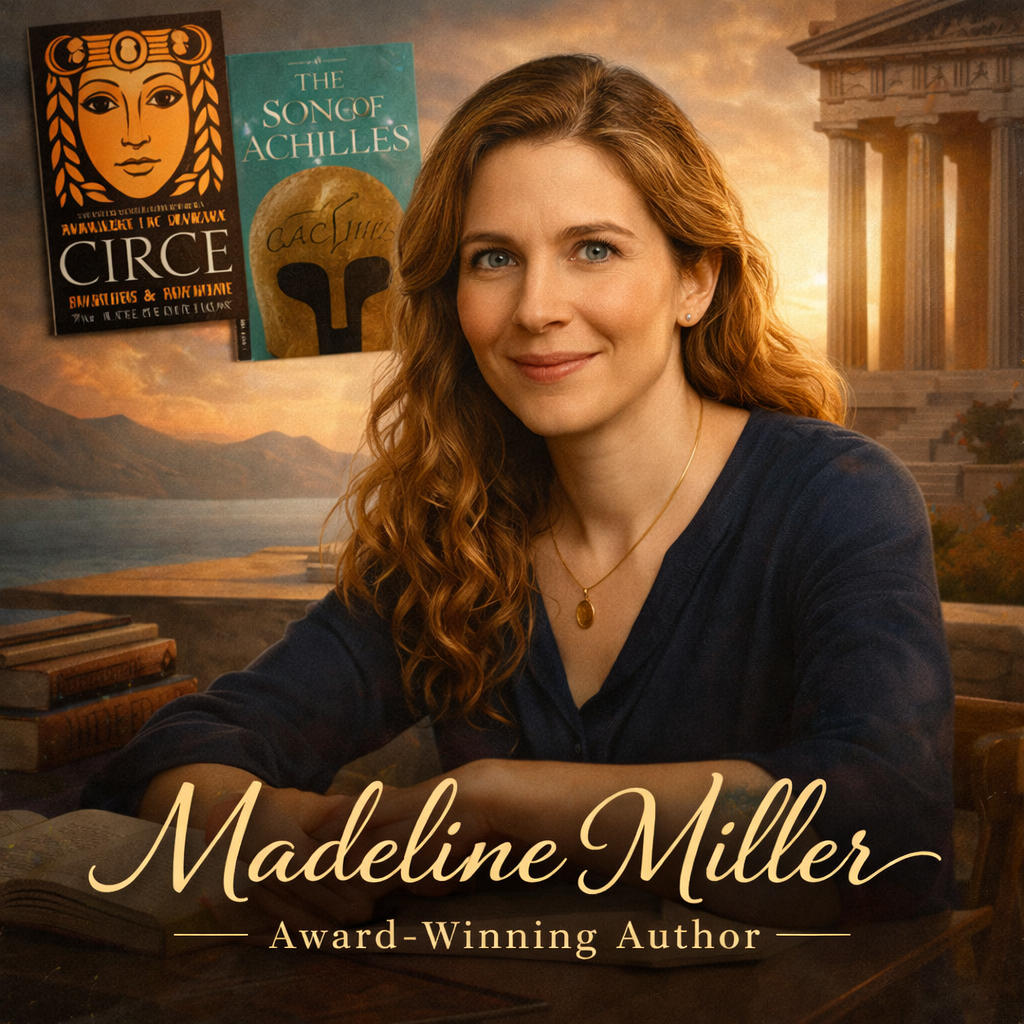
Madeline Miller is an American author known for Circe and The Song of Achilles, reimagining Greek myths with emotion and depth.