Reading the same phrase over and over like the author says can be boring 😴. Imagine your essays, blogs, or stories coming alive with fresh, fun alternatives 🚀.
Whether you want to sound formal, casual, persuasive, or creative, there are so many ways to express what the author is saying. This guide gives you practical alternatives with examples, emojis, and easy-to-understand language that works in everyday writing. Let’s make your sentences clear, lively, and impossible to ignore 👏.
Boost Your Writing
- the writer states – The writer states the facts clearly. 📝
- the author notes – The author notes the key points for beginners. 🔑
- the author mentions – The author mentions the deadline. ⏰
- the author points out – The author points out the error. ⚠️
- the author highlights – The author highlights the main idea. ✨
- the author observes – The author observes the changes over time. 👀
- the author explains – The author explains the process simply. 🔍
- the author reports – The author reports the findings accurately. 📊
- the author emphasizes – The author emphasizes the importance of practice. 💪
- the author claims – The author claims it is effective. ✅
- the author asserts – The author asserts their opinion confidently. 💬
- the author maintains – The author maintains consistency in points. 🏗️
- the author remarks – The author remarks on the differences. 🗣️
- the author declares – The author declares the results. 🏆
- the author conveys – The author conveys strong feelings. ❤️
- the author indicates – The author indicates the next steps. ➡️
- the author illustrates – The author illustrates with examples. 🎨
- the author affirms – The author affirms the statement. ✔️
- the author communicates – The author communicates clearly. 📡
- the author outlines – The author outlines the plan. 🗂️
Academic & Formal Flair📚
- the author argues – The author argues that exercise boosts energy. 💪
- the author posits – The author posits a new theory. 💡
- the author contends – The author contends the evidence is strong. ⚖️
- the author suggests – The author suggests a solution. ✨
- the author proposes – The author proposes a new method. 🔬
- the author demonstrates – The author demonstrates with charts. 📈
- the author elaborates – The author elaborates on key details. 📝
- the author evaluates – The author evaluates results critically. 🧐
- the author examines – The author examines trends over time. 📊
- the author investigates – The author investigates causes thoroughly. 🔎
- the author interprets – The author interprets the findings. 🗝️
- the author identifies – The author identifies major factors. 🎯
- the author summarizes – The author summarizes key ideas. 🗒️
- the author validates – The author validates the experiment. ✔️
- the author asserts formally – The author asserts formally in the paper. 🏛️
- the author emphasizes academically – The author emphasizes academically on ethics. 📚
- the author maintains firmly – The author maintains firmly their viewpoint. 💪
- the author delineates – The author delineates boundaries clearly. 🚧
- the author articulates – The author articulates complex ideas simply. 🗣️
- the author substantiates – The author substantiates with evidence. 📑
Friendly & Casual 😄
- the author thinks – The author thinks this is a good idea. 💭
- the author feels – The author feels it’s important. ❤️
- the author believes – The author believes it works. 🙏
- the author says casually – The author says casually, “Try it yourself.” 😎
- the author shares – The author shares helpful tips. 💡
- the author adds – The author adds a note of caution. ⚠️
- the author explains simply – The author explains simply for beginners. 🏫
- the author notes casually – The author notes casually about trends. 📝
- the author mentions lightly – The author mentions lightly about holidays. 🎉
- the author observes casually – The author observes casually the behavior. 👀
- the author talks about – The author talks about gardening. 🌱
- the author writes – The author writes a blog. ✍️
- the author expresses – The author expresses excitement. 😃
- the author comments – The author comments on ideas. 💬
- the author jokes – The author jokes about mistakes. 😂
- the author laughs – The author laughs at the irony. 😆
- the author describes – The author describes the scene vividly. 🌄
- the author reflects – The author reflects on lessons learned. 🪞
- the author reports casually – The author reports casually on news. 📰
- the author points – The author points to key features. 👈
Storytelling Magic 📖
- the author narrates – The author narrates a thrilling story. 🏰
- the author recounts – The author recounts past events. ⏳
- the author tells – The author tells an inspiring tale. ✨
- the author portrays – The author portrays characters vividly. 🎭
- the author illustrates vividly – The author illustrates vividly with examples. 🌈
- the author paints a picture – The author paints a picture of the city. 🖌️
- the author sets the scene – The author sets the scene for drama. 🎬
- the author depicts – The author depicts emotions strongly. 💔
- the author dramatizes – The author dramatizes the conflict. ⚡
- the author imagines – The author imagines a better future. 🌟
- the author conveys visually – The author conveys visually with diagrams. 📊
- the author crafts – The author crafts a touching story. 📝
- the author expresses creatively – The author expresses creatively ideas. 🎨
- the author recounts events – The author recounts events in detail. ⏱️
- the author creates tension – The author creates tension effectively. 😬
- the author emphasizes action – The author emphasizes action scenes. 🏃♂️
- the author animates characters – The author animates characters clearly. 🎭
- the author develops dialogue – The author develops dialogue naturally. 🗨️
- the author evokes feelings – The author evokes strong feelings. ❤️
- the author brings to life – The author brings scenes to life. 🌟
Persuasive & Influential
- the author urges – The author urges readers to act. 🏃
- the author convinces – The author convinces skeptics. 🤝
- the author motivates – The author motivates learners. 💪
- the author encourages – The author encourages participation. 🎉
- the author persuades – The author persuades gently. 💬
- the author challenges – The author challenges ideas. ⚡
- the author inspires – The author inspires confidence. 🌟
- the author recommends – The author recommends the book. 📚
- the author advises – The author advises carefully. 📝
- the author prompts – The author prompts action. 🚀
- the author advocates – The author advocates for change. 🌍
- the author promotes – The author promotes healthy habits. 🥗
- the author emphasizes importance – The author emphasizes importance clearly. ❗
- the author asserts strongly – The author asserts strongly opinions. 💥
- the author calls for – The author calls for unity. 🤝
- the author appeals – The author appeals emotionally. ❤️
- the author argues persuasively – The author argues persuasively in essays. ✍️
- the author pushes for – The author pushes for innovation. 💡
- the author highlights benefits – The author highlights benefits effectively. 🌈
- the author stresses necessity – The author stresses necessity clearly. ⚡
Subtle & Understated 🌿
- the author hints – The author hints at solutions. 💭
- the author suggests subtly – The author suggests subtly improvements. 🌱
- the author implies – The author implies it might work. 🤔
- the author alludes – The author alludes to past mistakes. ⏳
- the author refers – The author refers to sources. 📖
- the author notes lightly – The author notes lightly the changes. 📝
- the author observes quietly – The author observes quietly. 👀
- the author mentions softly – The author mentions softly the ideas. 🌸
- the author signals – The author signals the start. 🚦
- the author indicates subtly – The author indicates subtly the key steps. ➡️
- the author underscores – The author underscores the meaning. ✏️
- the author points indirectly – The author points indirectly to results. 👈
- the author touches upon – The author touches upon emotions. 💖
- the author brings up – The author brings up examples. 📚
- the author conveys softly – The author conveys softly the point. 🌿
- the author mentions gently – The author mentions gently the facts. 🌼
- the author comments lightly – The author comments lightly on trends. 💬
- the author reflects quietly – The author reflects quietly on choices. 🪞
- the author hints at – The author hints at possibilities. 🌟
- the author references – The author references studies. 📊
Short & Snappy ⚡
- the author says simply – The author says simply “Start now.” 🏁
- the author writes – The author writes every day. ✍️
- the author notes – The author notes important tips. 📝
- the author tells – The author tells stories well. 📖
- the author adds – The author adds details. ➕
- the author explains – The author explains clearly. 💡
- the author points – The author points to facts. 👆
- the author claims – The author claims confidently. ✅
- the author remarks – The author remarks casually. 💬
- the author observes – The author observes changes. 👀
- the author shares – The author shares advice. 💌
- the author states briefly – The author states briefly key points. ✏️
- the author expresses – The author expresses ideas. 💡
- the author mentions – The author mentions regularly. 🗒️
- the author communicates – The author communicates openly. 📡
- the author affirms – The author affirms clearly. ✔️
- the author declares – The author declares boldly. 🏆
- the author reports – The author reports updates. 📰
- the author outlines – The author outlines clearly. 🗂️
- the author conveys – The author conveys meaning. 🌟
Unique & Creative 🌟
- the author articulates clearly – The author articulates clearly the idea. 🗣️
- the author voices – The author voices concerns. 🎤
- the author elucidates – The author elucidates complex points. 🔍
- the author rationalizes – The author rationalizes decisions. ⚖️
- the author exemplifies – The author exemplifies success. 🏆
- the author expounds – The author expounds ideas in detail. 📜
- the author illuminates – The author illuminates the topic. 💡
- the author details – The author details steps carefully. 📝
- the author recounts – The author recounts events vividly. ⏳
- the author chronicles – The author chronicles history. 📚
- the author frames – The author frames questions clearly. 🖼️
- the author underscores creatively – The author underscores points creatively. 🎨
- the author deciphers – The author deciphers meaning. 🔑
- the author interprets uniquely – The author interprets uniquely. 🌟
- the author expresses insightfully – The author expresses insightfully. 💭

- the author clarifies – The author clarifies confusion. 🧹
- the author highlights creatively – The author highlights ideas creatively. 🎨
- the author reveals – The author reveals insights. 🔍
- the author presents vividly – The author presents vividly. 🌈
- the author celebrates ideas – The author celebrates ideas joyfully. 🎉
Conclusion
Switching up how you say the author says makes your writing exciting, clear, and engaging 🚀. Using these alternatives avoids repetition, keeps readers hooked, and adds style. From casual blogs to formal essays, persuasive articles, and creative storytelling, these phrases cover every situation.
Adding examples, emojis, and friendly language helps make writing mobile-friendly, approachable, and fun 😄. Whether you want subtle hints, formal emphasis, or storytelling magic, there is a perfect phrase for every line. Start using these tips today and watch your writing transform from dull to dynamic ✨.
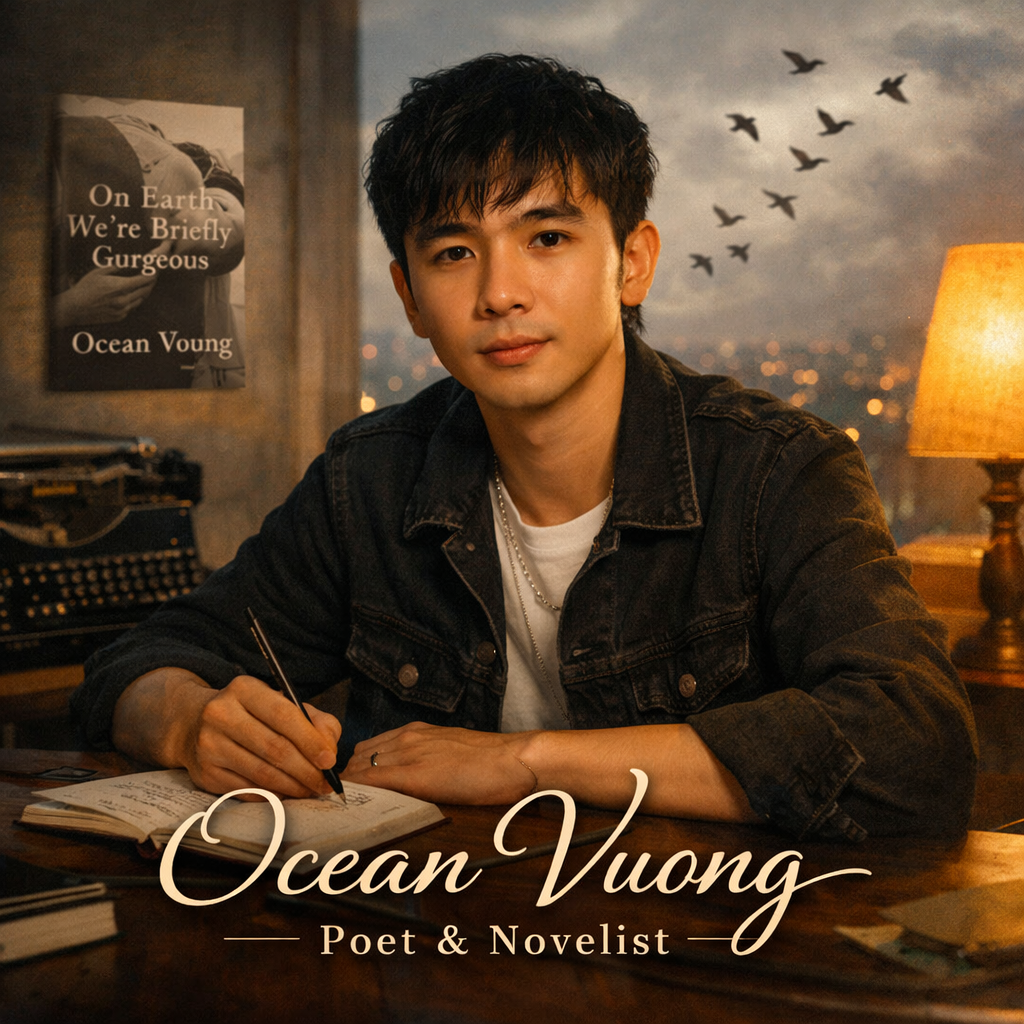
Ocean Vuong is a Vietnamese-American poet and novelist, best known for On Earth We’re Briefly Gorgeous, blending memory, identity, and language.