Looking for better other ways to say “unfortunately” in your writing?
Using the same word repeatedly can sound repetitive, so choosing alternative expressions helps improve clarity and tone.
Popular alternatives include:
- “regrettably”
- “sadly”
- “unluckily”
- “to my regret”
- “it is unfortunate that”
- “alas” (formal or literary)
- “with regret”
These phrases are commonly used in:
- Essays and academic writing
- Professional communication
- Emails and reports
Using different expressions helps your writing sound more natural, polished, and appropriate for different situations.
This guide provides simple and effective alternatives to “unfortunately” to improve writing quality and expression.
Other ways to say unfortunately to someone
Meaning: You are sharing something sad.
Scenario: Telling a friend you cannot meet.
Example: It breaks my heart that I have to cancel.
Tone: Soft and caring.
Explanation: This feels personal, not cold.
Meaning: You did not plan this problem.
Scenario: You forgot a gift.
Example: That is a real letdown.
Tone: Honest and simple.
Explanation: Letdown is easy to understand.
Meaning: The result is not wanted.
Scenario: Your team lost a game.
Example: That did not go the way we hoped.
Tone: Calm and shared.
Explanation: Using we makes the other person feel included.
Meaning: You see the problem.
Scenario: Rain at a picnic.
Example: This is less than ideal.
Tone: Light and polite.
Explanation: Less than ideal is a soft, smart phrase.
Meaning: You feel sorry.
Scenario: Your child lost a toy.
Example: I am sad to say we cannot find it.
Tone: Warm and direct.
Explanation: I am sad to say puts the emotion first.
Meaning: You accept a delay.
Scenario: You are late to dinner.
Example: It did not work out for me to leave on time.
Tone: Blame-free.
Explanation: Did not work out is neutral and calm.
Meaning: There is a small problem.
Scenario: Movie tickets are sold out.
Example: The only hitch is we have to wait.
Tone: Upbeat but real.
Explanation: Hitch makes the issue sound small.
Other ways to say unfortunately in email
Meaning: You give bad news gently.
Scenario: An order is delayed.
Example: I am sorry to inform you that your package will come late.
Tone: Formal and kind.
Explanation: This is standard for business but still warm.

Meaning: You share a problem.
Scenario: A meeting is full.
Example: Please be advised that all slots are taken.
Tone: Professional.
Explanation: Please be advised is common in office emails.
Meaning: You say no politely.
Scenario: A request is denied.
Example: We must decline your offer at this time.
Tone: Respectful and clear.
Explanation: We must decline is direct but not rude.
Meaning: You share a limit.
Scenario: A service is not available.
Example: It is with regret that we cannot help.
Tone: Polite and soft.
Explanation: It is with regret is a classic email opener.
Meaning: You explain a change.
Scenario: A schedule shifts.
Example: Due to unforeseen events, we will move the date.
Tone: Neutral and factual.
Explanation: Due to unforeseen events is common and safe.
Meaning: You give bad news simply.
Scenario: A product is out of stock.
Example: Sadly, the red shirt is gone.
Tone: Short and honest.
Explanation: Sadly in an email feels human.
Meaning: You report an issue.
Scenario: A payment failed.
Example: We ran into a problem with your card.
Tone: Helpful.
Explanation: Ran into a problem is friendly.
Meaning: You admit a mistake.
Scenario: You sent the wrong file.
Example: Please accept our apologies for the mix-up.
Tone: Sorry and professional.
Explanation: This is a full, kind apology.
Another word for unfortunately in a positive way
Meaning: You focus on what is next.
Scenario: A store is closed.
Example: The good part is we can try a new cafe.
Tone: Upbeat.
Explanation: The good part is shifts focus to the positive.
Meaning: You accept a small loss.
Scenario: You lost a game.
Example: Oh well, we gave it our best shot.
Tone: Light and cheerful.
Explanation: Oh well is a very friendly, positive shrug.
Meaning: You see a chance.
Scenario: A flight is full.
Example: Every cloud has a silver lining.
Tone: Hopeful.
Explanation: This is a classic positive saying.
Meaning: You look forward.
Scenario: A plan failed.
Example: Let us turn the page and try a new way.
Tone: Encouraging.
Explanation: Turn the page is visual and fresh.
Meaning: You accept change.
Scenario: Rain ruined a hike.
Example: It is not a big deal, we can go next week.
Tone: Relaxed.
Explanation: Not a big deal makes the problem small.
Meaning: You choose joy.
Scenario: A gift broke.
Example: Let us look on the bright side.
Tone: Cheerful.
Explanation: Look on the bright side is a common positive phrase.
Meaning: You minimize the issue.
Scenario: You are late.
Example: It is all good, we still have an hour.
Tone: Casual and kind.
Explanation: It is all good is a modern, friendly phrase.
Meaning: You find a fix.
Scenario: A restaurant is full.
Example: No worries, there are other spots nearby.
Tone: Calm and helpful.
Explanation: No worries is warm and removes stress.
Another word for unfortunately in an essay
Meaning: You admit a limit.
Scenario: Your data is old.
Example: This study is limited by the small sample size.
Tone: Factual.
Explanation: Limited by is a clean, academic word.
Meaning: You note a flaw.
Scenario: A source is missing.
Example: The research is incomplete without that data.
Tone: Neutral.
Explanation: Incomplete is direct and fair.
Meaning: You share a gap.
Scenario: A theory fails.
Example: This model fails to account for human emotion.
Tone: Analytical.
Explanation: Fails to account for is common in essays.
Meaning: You give a downside.
Scenario: A method is slow.
Example: The drawback of this approach is the time it takes.
Tone: Balanced.
Explanation: Drawback is a standard essay word.
Meaning: You see a problem.
Scenario: An idea has a hole.
Example: The main weakness here is the lack of proof.
Tone: Critical but fair.
Explanation: Weakness is a kind way to say something is wrong.
Meaning: You admit an error.
Scenario: A prediction was wrong.
Example: This outcome proved to be incorrect.
Tone: Honest.
Explanation: Incorrect is a simple, direct word.
Meaning: You find a lack.
Scenario: A book misses a topic.
Example: The author does not address climate change.
Tone: Observational.
Explanation: Does not address is neutral and clear.
Another word for unfortunately in customer service
Meaning: You share a delay.
Scenario: A package is late.
Example: I understand your worry. The order is running behind.
Tone: Empathetic.
Explanation: Running behind is soft and honest.
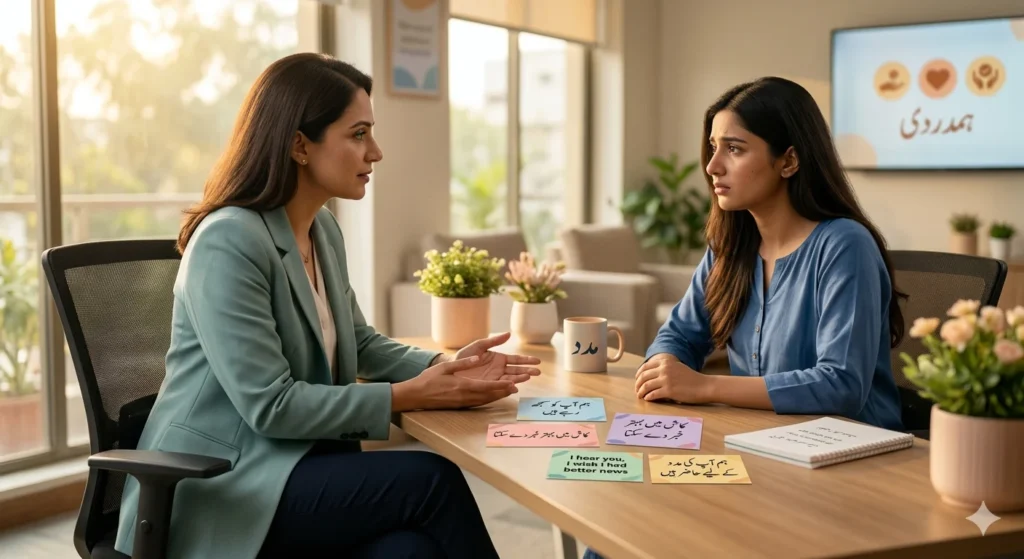
Meaning: You say no to a refund.
Scenario: A return is past due.
Example: I wish I had better news, but the window has closed.
Tone: Kind but firm.
Explanation: I wish I had better news is very human.
Meaning: You report an error.
Scenario: A charge is wrong.
Example: Let me fix that. There was a glitch on our side.
Tone: Helpful.
Explanation: Glitch is a friendly, non-scary word.
Meaning: You deny a request.
Scenario: A coupon is expired.
Example: I appreciate you asking. That offer is no longer active.
Tone: Polite.
Explanation: No longer active is clear and calm.
Meaning: You share a stock issue.
Scenario: An item is gone.
Example: That color is out of stock right now.
Tone: Proactive.
Explanation: Out of stock is standard and honest.
Meaning: You give bad news gently.
Scenario: A service is down.
Example: This is not the experience we want for you.
Tone: Empathetic.
Explanation: This puts the customer first.
Meaning: You cannot give a discount.
Scenario: A sale is over.
Example: I cannot do that price, but I can offer free shipping.
Tone: Solution-focused.
Explanation: This gives a small win with the bad news.
Unfortunately meaning
Meaning: A word you use when something sad, bad, or unlucky happens.
Scenario: A child asks why the park is closed.
Example: It is unlucky that it started to rain right at noon.
Tone: Simple and clear.
Explanation: Unlucky is the heart of the word.
Meaning: You express regret about a fact.
Scenario: You tell a story about a missed bus.
Example: It is a sad fact that I left my wallet at home.
Tone: Honest.
Explanation: Sad fact is a two-word version.
Meaning: Something happens by bad luck.
Scenario: A flower pot breaks.
Example: By bad luck, it fell right when I opened the door.
Tone: Casual.
Explanation: By bad luck is the literal meaning.
Meaning: An event is not favorable.
Scenario: A job interview goes poorly.
Example: The whole meeting took an unfavorable turn.
Tone: Neutral.
Explanation: Unfavorable is a direct synonym.
Meaning: A result brings sorrow.
Scenario: A team loses a final game.
Example: The regrettable outcome left everyone quiet.
Tone: Soft and formal.
Explanation: Regrettable outcome is clear.
Meaning: Something is ill-fated.
Scenario: A trip gets canceled twice.
Example: It was an ill-fated plan from the start.
Tone: Dramatic but clear.
Explanation: Ill-fated is stronger but still simple.
Meaning: A lack of luck happens.
Scenario: You find a flat tire.
Example: That is just my lack of luck today.
Tone: Self-aware.
Explanation: Lack of luck is a direct breakdown.
Meaning: Something is distressing.
Scenario: A pet runs away.
Example: The distressing part is we just fixed the fence.
Tone: Caring.
Explanation: Distressing shows strong feeling.
Another word for unfortunate situation
Meaning: A set of bad events.
Scenario: A car breaks down and a phone dies.
Example: We had a real comedy of errors today.
Tone: Light and human.
Explanation: Comedy of errors is a fun, kind phrase.

Meaning: A hard time for someone.
Scenario: A friend loses a job and gets sick.
Example: She is going through a rough patch right now.
Tone: Empathetic.
Explanation: Rough patch is soft and common.
Meaning: A very bad event.
Scenario: A fire happens.
Example: That was a terrible turn of events.
Tone: Serious but simple.
Explanation: Terrible turn of events is clear.
Meaning: A small bad moment.
Scenario: You spill coffee on a shirt.
Example: It is just one of those days, I guess.
Tone: Casual.
Explanation: One of those days is very friendly.
Meaning: A difficult set of facts.
Scenario: A family has money and health problems.
Example: They are in a tough spot right now.
Tone: Kind.
Explanation: Tough spot is short and warm.
Meaning: An unlucky chain.
Scenario: Every plan fails in one day.
Example: What a run of bad luck this is.
Tone: Observational.
Explanation: Run of bad luck is a classic phrase.
Meaning: A no-win case.
Scenario: Any choice leads to loss.
Example: This is a lose-lose situation for everyone.
Tone: Neutral.
Explanation: Lose-lose is very clear and common.
Meaning: A painful event.
Scenario: A breakup happens.
Example: It was a sad state of affairs for both.
Tone: Soft.
Explanation: Sad state of affairs is old but gentle.
Unfortunately antonyms
Meaning: Good luck happens.
Scenario: You find money on the street.
Example: Luckily, I saw it before the wind blew it away.
Tone: Happy.
Explanation: Luckily is the direct and most common opposite.
Meaning: By happy chance.
Scenario: You meet a friend at an airport.
Example: Happily, we ended up on the same flight.
Tone: Warm.
Explanation: Happily is soft and kind.
Meaning: Good fortune strikes.
Scenario: A store has one last toy in stock.
Example: Fortunately, they saved the last one for me.
Tone: Grateful.
Explanation: Fortunately is the formal opposite.
Meaning: A good result.
Scenario: Rain stops right at picnic time.
Example: Thank goodness, the sun came out.
Tone: Relieved.
Explanation: Thank goodness is very human and warm.
Meaning: Great timing.
Scenario: A bus arrives as you reach the stop.
Example: As luck would have it, I did not wait at all.
Tone: Playful.
Explanation: As luck would have it is a fun phrase.
Meaning: A wish comes true.
Scenario: You hoped for a gift and got it.
Example: By good fortune, my sister bought the exact book.
Tone: Joyful.
Explanation: By good fortune is a nice formal opposite.
Meaning: A problem avoids you.
Scenario: You miss a traffic jam.
Example: Mercifully, I took the other road.
Tone: Grateful.
Explanation: Mercifully is a strong, kind word.
Conclusion
You do not have to use the word unfortunately all the time. Language is a tool, and you have many tools in your box now. You can say I am sad to share with a friend. You can write please be advised in an email. You can say every cloud has a silver lining to stay positive. You can write the data is limited for an essay. You can say I hear you in customer service. Each small change makes your talk or writing feel fresh, kind, and clear. Pick the word that fits the moment and the person. Practice one new phrase each day. Soon, you will forget you ever overused unfortunately. Your words will feel lighter, warmer, and more you.

Madeline Miller is an American author known for Circe and The Song of Achilles, reimagining Greek myths with emotion and depth.