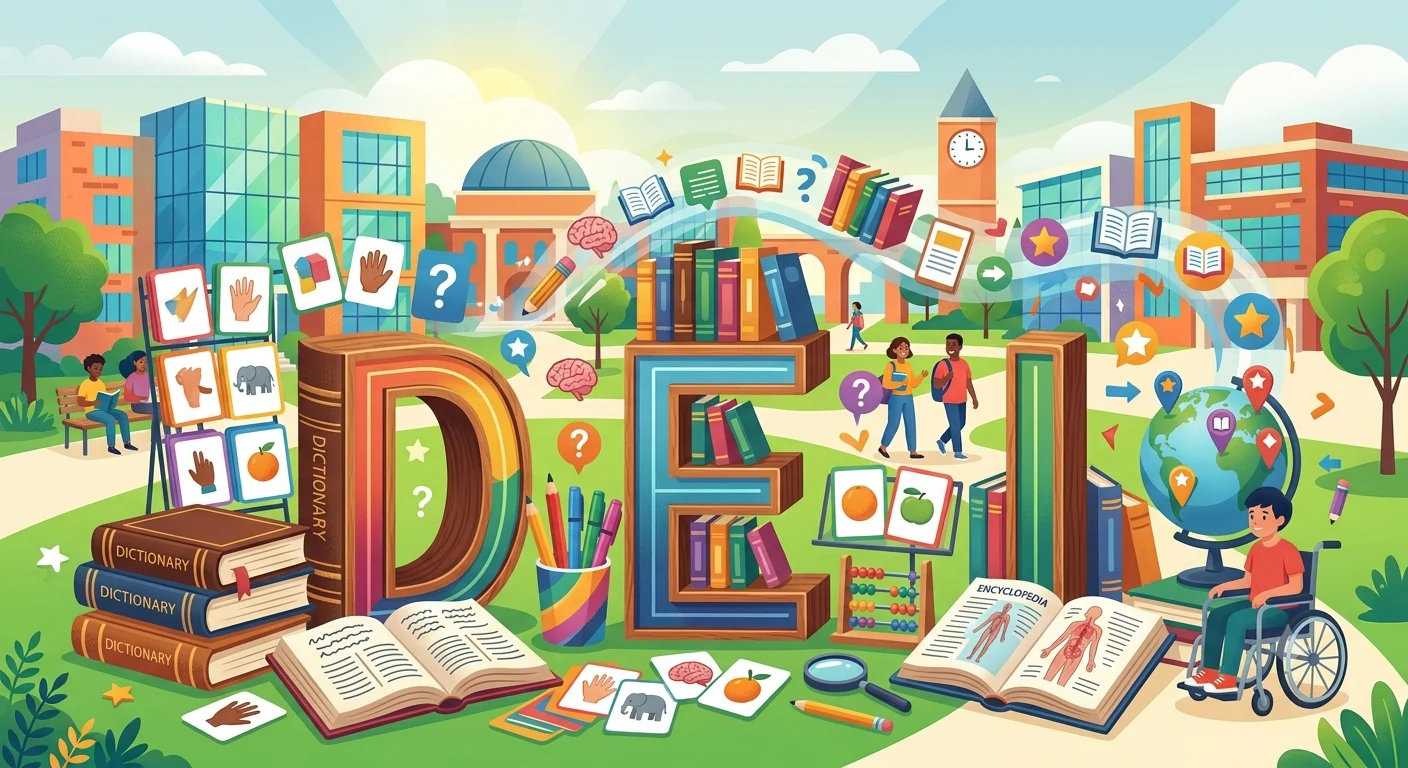
Diversity, equity, and inclusion, often shortened to DEI, has become a common phrase in schools, workplaces, and public organizations. However, many people now look for different words that fit new policies, changing language, or specific audiences.
Some organizations prefer simple terms that sound more welcoming, while others choose phrases that focus on belonging, fairness, opportunity, or respect. Using the right wording helps your message feel clear and natural without changing its meaning. It can also match the tone of a classroom, business meeting, training session, or public announcement.
In this guide, you will discover practical alternatives to DEI for different situations. Each option includes its meaning, example, usage, best use, worst use, and tone so you can quickly choose the most suitable phrase. Whether you are writing an email, preparing a presentation, creating company documents, or discussing education, these alternatives will help you communicate with confidence.
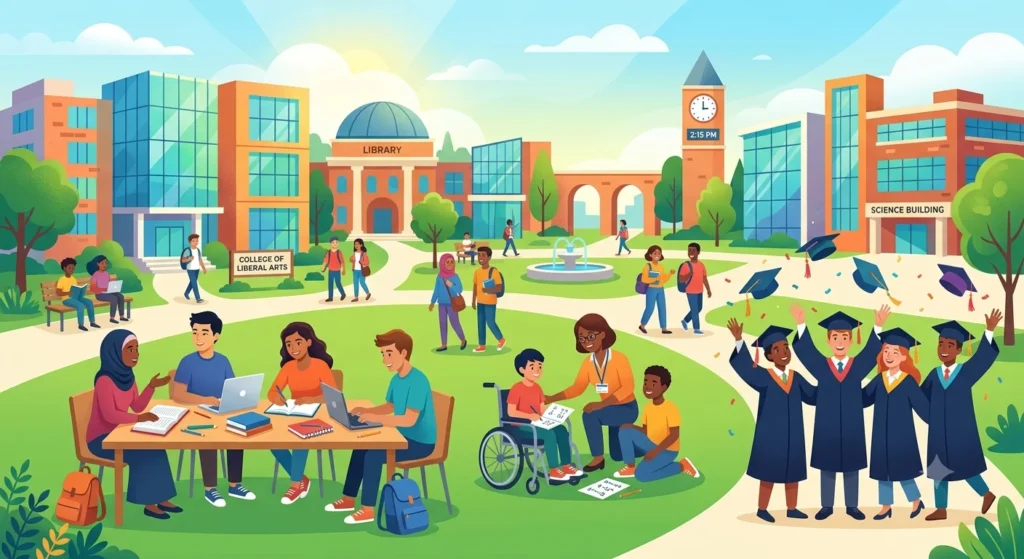
• Inclusive Learning Environment
Meaning: A school where every student feels welcomed and respected.
Example: Our school promotes an inclusive learning environment for every student.
Usage: School policies, newsletters, teacher meetings.
Best Use: Student-centered communication.
Worst Use: Legal policy replacements.
Tone: Warm and encouraging.
• Equal Learning Opportunities
Meaning: Every student gets a fair chance to succeed.
Example: We provide equal learning opportunities for all learners.
Usage: School reports and education plans.
Best Use: Academic settings.
Worst Use: Diversity training titles.
Tone: Positive and supportive.
• Student Belonging
Meaning: Helping students feel accepted.
Example: Student belonging is one of our main goals.
Usage: School culture discussions.
Best Use: Well-being programs.
Worst Use: Employment documents.
Tone: Caring.
• Respect for Every Student
Meaning: Treating all students fairly.
Example: Respect for every student builds trust.
Usage: Classroom rules.
Best Use: Student handbooks.
Worst Use: Government policies.
Tone: Friendly.
• Fair Education
Meaning: Equal access to learning.
Example: Fair education benefits everyone.
Usage: Education programs.
Best Use: School planning.
Worst Use: Marketing slogans.
Tone: Neutral.
• Welcoming School Culture
Meaning: Creating a friendly learning space.
Example: We value a welcoming school culture.
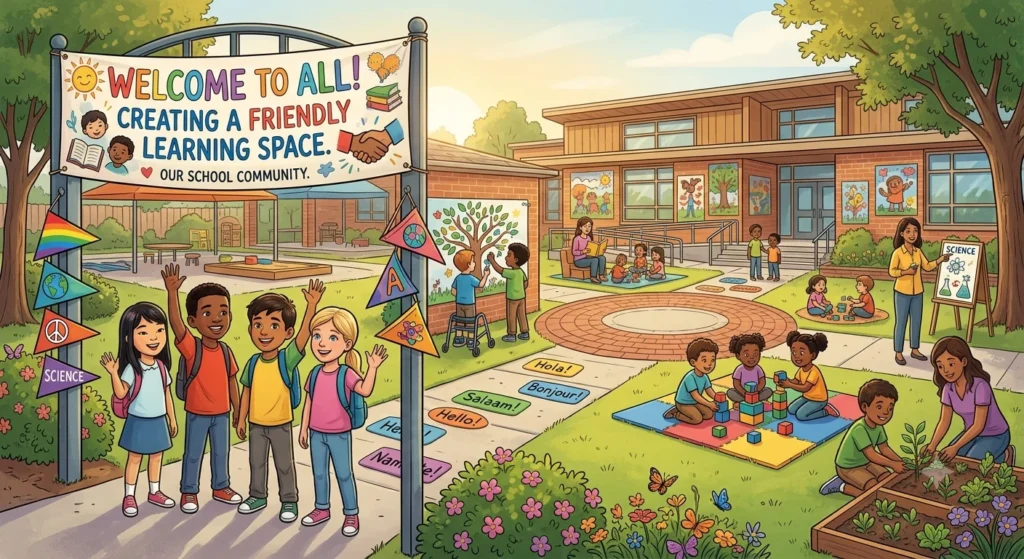
Usage: Parent communication.
Best Use: School websites.
Worst Use: Legal documents.
Tone: Positive.
• Educational Inclusion
Meaning: Everyone can participate in learning.
Example: Educational inclusion improves student success.
Usage: Education discussions.
Best Use: Academic writing.
Worst Use: Casual conversations.
Tone: Professional.
• Student Equity
Meaning: Fair support based on student needs.
Example: Student equity guides our decisions.
Usage: Education planning.
Best Use: School leadership.
Worst Use: Social media captions.
Tone: Professional.
• Respectful Learning Community
Meaning: A community built on kindness.
Example: Our respectful learning community welcomes everyone.
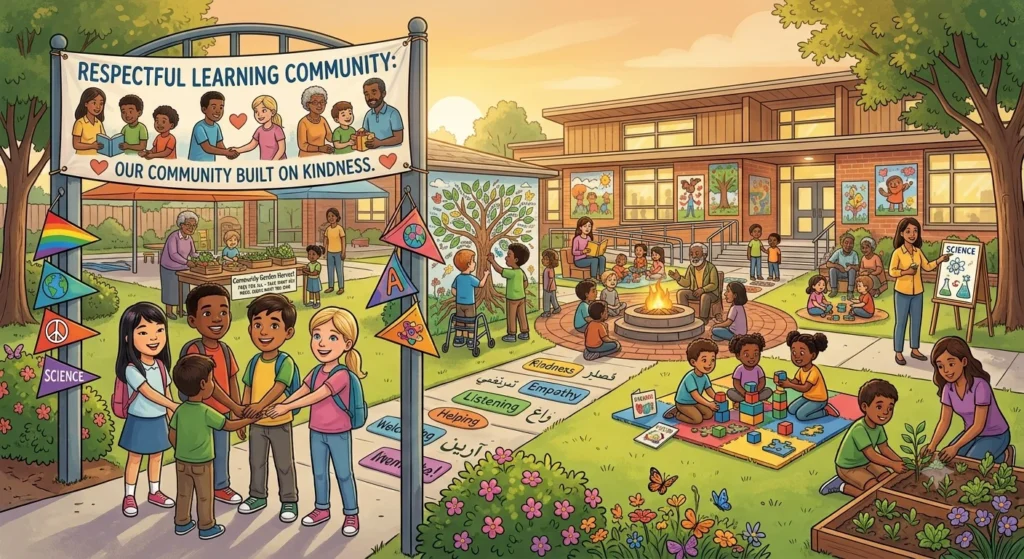
Usage: School mission statements.
Best Use: School branding.
Worst Use: Legal contracts.
Tone: Warm.
• Inclusive Education
Meaning: Education that serves every learner.
Example: Inclusive education helps every child grow.
Usage: Education policies.
Best Use: Government and school programs.
Worst Use: Informal chats.
Tone: Formal.
Other Ways to Say DEI in Education
- Educational Access
- Equitable Education
- Inclusive Teaching
- Student Success for All
- Learning for Everyone
- Fair Academic Opportunities
- Equal Student Support
- Accessible Education
- Belonging in Education
- Respectful Education Culture
(Use the same format of Meaning, Example, Usage, Best Use, Worst Use, and Tone for each term.)
Other Ways to Say DEI in the Workplace
- Inclusive Workplace
- Workplace Belonging
- Fair Hiring Practices
- Equal Opportunity Culture
- Respectful Workplace
- People First Culture

- Employee Inclusion
- Workplace Equity
- Collaborative Culture
- Culture of Respect
(Repeat the same structured format for every phrase.)
Other Names for DEI in the Workplace
- Workplace Inclusion
- Inclusive Culture
- Employee Experience
- Fair Workplace Practices
- People and Culture
- Workplace Belonging
- Inclusive Leadership
- Organizational Inclusion
- Employee Success
- Respect at Work
New Term for DEI
- Belonging
- Inclusive Excellence
- Opportunity for All
- People First
- Culture of Belonging
- Human-Centered Culture
- Inclusive Growth
- Shared Success
- Equal Opportunity
- Workplace Fairness
Another Word for Diversity, Equity, and Inclusion
- Belonging
- Inclusion
- Fairness
- Equal Opportunity
- Representation
- Accessibility
- Respect
- Equity
- Community
- Welcoming Culture
Words That Start With DEI
- Deity
- Deification
- Deify
- Deictic
- Deictically
- Deism
- Deist
- Deistic
- Deindustrialization
- Deicing
Another Word for Inclusion
- Belonging
- Acceptance
- Participation
- Integration
- Unity
- Involvement
- Accessibility
- Openness
- Welcome
- Togetherness
What Can I Say Instead of DEI?
You can replace DEI with phrases that match your audience and purpose. Popular choices include:
- Inclusive Culture
- Belonging
- Equal Opportunity
- Fair Workplace
- Respect for Everyone
- Welcoming Environment
- Inclusive Excellence
- Community Building
- People First Culture
- Opportunity for All
What Do We Say Now Instead of DEI?
Many organizations now use language that sounds broader and more people-focused, such as:
- Belonging
- Workplace Culture
- Employee Experience
- Inclusive Leadership
- Fair Access
- People and Culture
- Organizational Excellence
- Community Engagement
- Respectful Environment
- Shared Success
What Are the Other Titles for DEI?
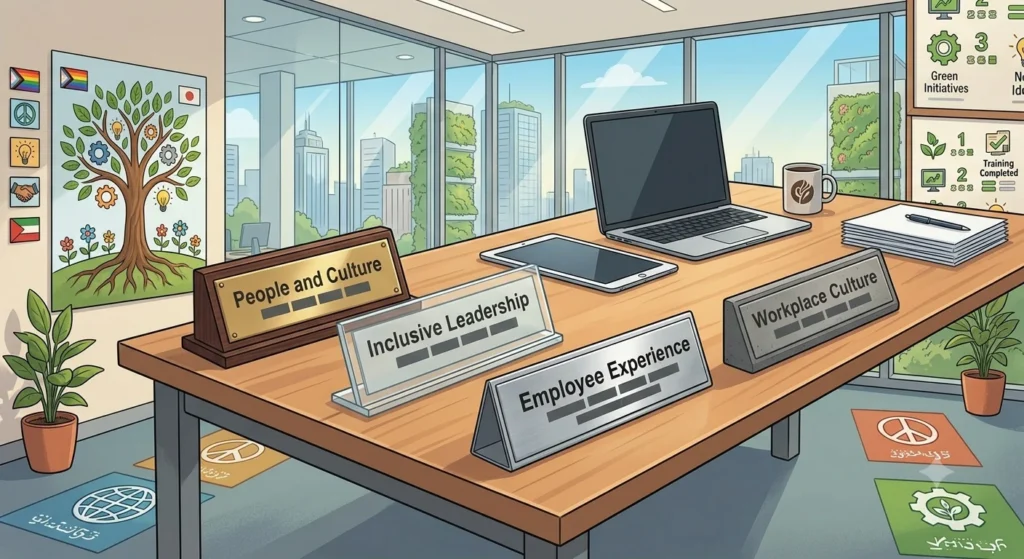
- Head of Belonging
- Director of Inclusion
- Chief People Officer
- Director of Workplace Culture
- People and Culture Manager
- Employee Experience Director
- Inclusion Manager
- Community Engagement Lead
- Organizational Development Manager
- Culture and Belonging Leader
What Term Has Replaced DEI?
There is no single replacement used everywhere. Different schools, businesses, and organizations choose terms based on their goals. The most common alternatives include:
- Belonging
- Inclusive Excellence
- People First
- Equal Opportunity
- Workplace Culture
- Employee Experience
- Respect for Everyone
- Inclusive Leadership
- Community Building
- Shared Success
Frequently Asked Questions
Is DEI still used today?
Yes. Many schools, businesses, and organizations still use DEI, while others choose different terms that better match their communication style or policies.
Which word is the closest replacement for DEI?
Belonging is one of the most common alternatives because it highlights making everyone feel welcomed and valued.
Is DEI only used in workplaces?
No. DEI is also common in schools, colleges, healthcare, nonprofit organizations, and government programs.
Can I replace DEI in formal writing?
Yes. You can use terms like Inclusive Excellence, Equal Opportunity, Inclusive Culture, or Belonging if they fit the context.
Which DEI alternative sounds the most professional?
Inclusive Excellence, Equal Opportunity, Workplace Culture, and People and Culture are widely used in professional settings.
Conclusion
Choosing another way to say DEI depends on your audience and purpose. Schools often prefer phrases that focus on learning and belonging, while workplaces may use terms like inclusive culture, people first, or equal opportunity. The best alternative is one that clearly communicates respect, fairness, and opportunity without confusing your readers. By understanding the meaning, tone, and proper use of each option, you can write with greater confidence and connect more naturally with your audience. Whether you are preparing educational materials, business documents, or everyday communication, these alternatives provide flexible language that fits many situations while keeping your message clear, respectful, and easy to understand.
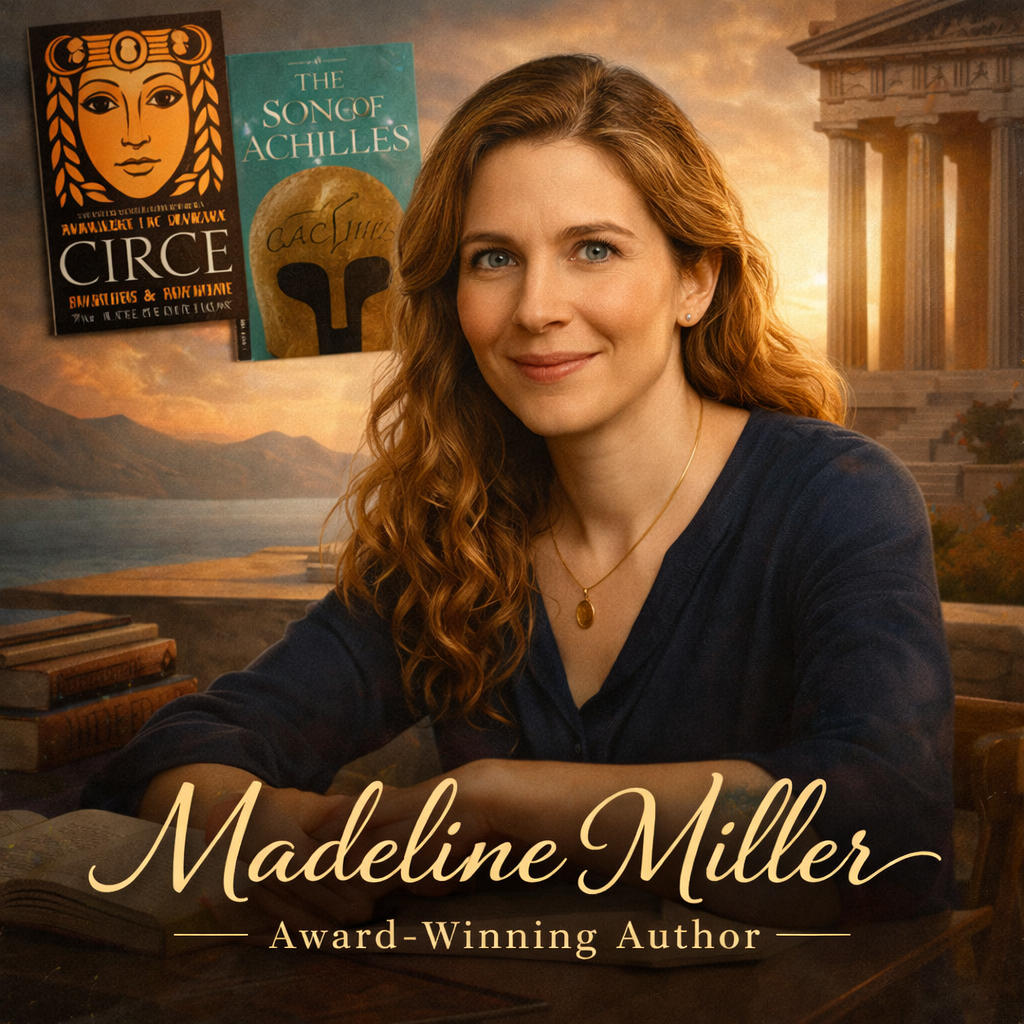
Madeline Miller is an American author known for Circe and The Song of Achilles, reimagining Greek myths with emotion and depth.