
Do you say opportunity too many times? It happens to everyone. That one word keeps coming back. But English has so many better choices. Learning new words makes you sound smarter and clearer.
This guide gives you 40 fresh ways to say opportunity. You will find words for work, school, job interviews, and daily chats. Each word comes with a simple example. You will also learn when to use each word and when to avoid it.
No hard grammar rules here. Just real, useful English. Read this guide once and you will never overuse opportunity again. Let us begin
Everyday Ways to Say Opportunity
Chance
Example: This is your chance to learn something new.
Best use: Talking with friends or family.
Worst use: A serious business contract.
Tone: Friendly and hopeful.
Shot
Example: Give me one shot to fix this.
Best use: Sports, games, or competitive moments.
Worst use: A formal job offer letter.
Tone: Bold and confident.
Opening
Example: A new opening came up at the shop.
Best use: Job positions or timing your actions.
Worst use: Personal growth or emotional moments.
Tone: Professional but warm.
Room
Example: There is room to grow in this role.
Best use: Giving feedback or career talks.
Worst use: A sudden, lucky moment.
Tone: Encouraging and gentle.
Break
Example: Every singer needs a big break.
Best use: Entertainment, arts, or sudden success.
Worst use: Academic essays or formal reports.
Tone: Excited and optimistic.
Moment
Example: Seize this moment to speak up.
Best use: Time-sensitive situations or speeches.
Worst use: Long-term career planning.
Tone: Urgent and inspiring.
Platform
Example: The new job gave me a platform to share ideas.
Best use: Public speaking or social media.
Worst use: Small, private chances.
Tone: Empowering and strategic.
Scope
Example: There is scope for improvement here.
Best use: Performance reviews or planning.
Worst use: Casual chat with close friends.
Tone: Analytical and calm.
Space
Example: Create space for new habits.
Best use: Personal growth or team settings.
Worst use: Describing a job vacancy.
Tone: Relaxed and accepting.
Turn
Example: Wait for your turn to lead.
Best use: Group settings or rotations.
Worst use: When timing is not important.
Tone: Fair and patient.
Formal Ways to Say Opportunity for Work and Business

Prospect
Example: The job prospect looks very promising.
Best use: Emails to senior leaders.
Worst use: Texting a friend about a party.
Tone: Serious and forward-looking.
Option
Example: You have several options to choose from.
Best use: Contracts or strategy meetings.
Worst use: Celebrating a lucky moment.
Tone: Neutral and logical.
Possibility
Example: There is a real possibility of growth this year.
Best use: Planning or risk assessment.
Worst use: When you need decisive action.
Tone: Open and curious.
Avenue
Example: We are exploring all avenues to solve this.
Best use: Problem-solving or research.
Worst use: Quick casual conversations.
Tone: Thorough and thoughtful.
Venture
Example: This business venture could pay off big.
Best use: Startups or risky projects.
Worst use: Daily routine tasks.
Tone: Ambitious and bold.
Latitude
Example: The manager gave me latitude to decide.
Best use: Performance reviews.
Worst use: Talking about external events.
Tone: Respectful and trusting.
Capacity
Example: She has the capacity to lead the team.
Best use: Resource discussions.
Worst use: Lucky or unplanned situations.
Tone: Measured and factual.
Realm
Example: This opens up a new realm of options.
Best use: Academic or policy writing.
Worst use: Day-to-day work tasks.
Tone: Intellectual and wide-ranging.
Appointment
Example: Congratulations on your new appointment.
Best use: HR communications.
Worst use: Social invitations.
Tone: Official and congratulatory.
Opening (Formal context)
Example: We have an opening in the finance department.
Best use: Job postings or official announcements.
Worst use: Personal relationships.
Tone: Professional and direct.
Ways to Say Take the Opportunity
Seize the chance
Example: Seize the chance to travel abroad now.
Best use: Motivational speeches.
Worst use: Slow, careful planning.
Tone: Energetic and brave.
Grab the shot
Example: Grab the shot before it goes away.
Best use: Sports or sales.
Worst use: Formal business writing.
Tone: Enthusiastic and urgent.
Jump at
Example: I would jump at that job offer.
Best use: Job offers or invitations.
Worst use: Risky or unclear situations.
Tone: Eager and happy.

Leap on
Example: The team leaped on the new idea.
Best use: Competitive environments.
Worst use: Sensitive or slow-paced settings.
Tone: Determined and quick.
Make use of
Example: Make use of every training session.
Best use: Work or study tips.
Worst use: Exciting or lucky events.
Tone: Sensible and steady.
Capitalize on
Example: Capitalize on market trends early.
Best use: Business and money topics.
Worst use: Personal friendships.
Tone: Sharp and focused.
Take advantage of
Example: Take advantage of the sale this week.
Best use: Good deals or helpful situations.
Worst use: Can sound greedy if used wrong.
Tone: Neutral to positive.
Embrace
Example: Embrace the chance to grow as a person.
Best use: Personal development.
Worst use: Cold or numbers-driven work.
Tone: Loving and accepting.
Welcome
Example: We welcome this new challenge with open arms.
Best use: Team settings or change management.
Worst use: High-pressure emergencies.
Tone: Kind and open.
Step into
Example: Step into the role with full confidence.
Best use: Career or life changes.
Worst use: Small daily choices.
Tone: Confident and steady.
Ways to Say Opportunity Given to You
Offer
Example: The company made me a fair offer.
Best use: Jobs or sales.
Worst use: Abstract ideas.
Tone: Straight and fair.
Invitation
Example: Her email was an invitation to join the team.
Best use: Events or groups.
Worst use: Demanding situations.
Tone: Gracious and warm.
Proposal
Example: The proposal came at the perfect time.
Best use: Business or partnerships.
Worst use: Quick favors.
Tone: Serious and respectful.
Grant
Example: The grant allowed me to study abroad.
Best use: Scholarships or permissions.
Worst use: Earned achievements.
Tone: Grateful and humble.
Pass
Example: The teacher gave me a pass on this assignment.
Best use: Rules or permissions.
Worst use: Major life decisions.
Tone: Relaxed and easy.
Entry
Example: Her skills gave her entry to the top school.
Best use: Competitions or clubs.
Worst use: Open invitations.
Tone: Clear and simple.
Door
Example: The degree opened a door for my future.
Best use: Advice or encouragement.
Worst use: Legal documents.
Tone: Hopeful and wise.
Foot in the door
Example: The internship was a foot in the door.
Best use: Entry-level jobs.
Worst use: Senior leadership roles.
Tone: Ambitious and patient.
Look-in
Example: Give me a look-in at the meeting.
Best use: Competitive groups.
Worst use: Professional writing.
Tone: Casual and friendly.
Clean slate
Example: The new job is a clean slate for me.
Best use: Personal growth or forgiveness.
Worst use: Numerical data or scores.
Tone: Light and freeing.
Common Mistakes to Avoid When Using These Words
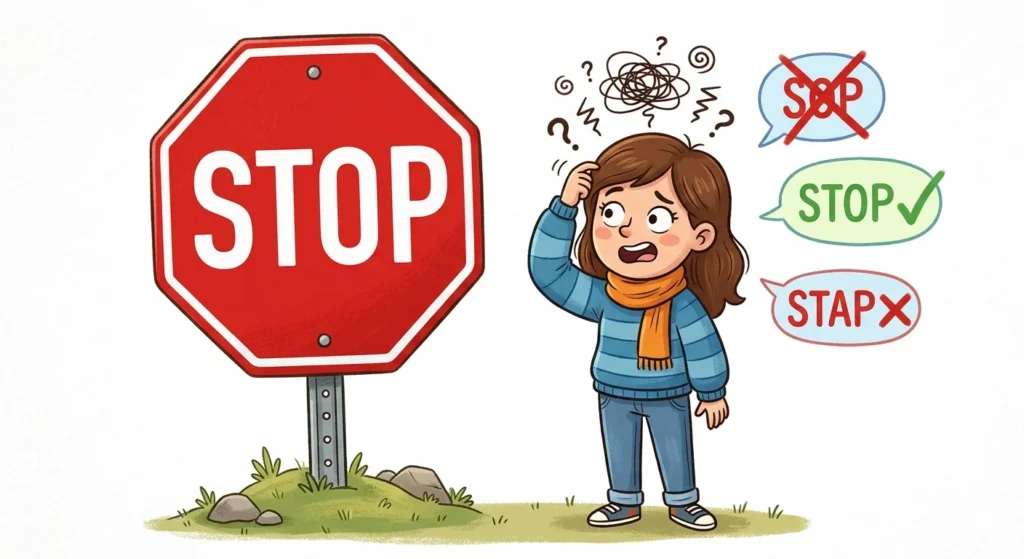
Using formal words with friends
Wrong: I received a prospect to go to the movies.
Right: I got a chance to go to the movies.
Why: Formal words sound strange in casual talks.
Using casual words at work
Wrong: Give me a shot at the manager job.
Right: Give me an opportunity for the manager job.
Why: Words like shot sound too relaxed for serious settings.
Saying take advantage of in a rude way
Wrong: I took advantage of my friend’s kindness.
Right: I took advantage of the sale at the store.
Why: Take advantage of can sound selfish with people.
Mixing up chance and opportunity
Wrong: This is a good chance to write a business plan.
Right: This is a good opportunity to write a business plan.
Why: Chance feels lucky. Opportunity feels planned.
Using break for small things
Wrong: I got a break when I found my keys.
Right: I got lucky when I found my keys.
Why: Break means a big, life-changing moment.
Saying seize the chance too often
Wrong: I seized the chance to eat lunch early.
Right: I took the chance to eat lunch early.
Why: Seize is a very strong word. Use it for big moments only.
Using prospect without context
Wrong: There is a prospect to drink coffee.
Right: There is a prospect of getting the job.
Why: Prospect needs a serious or business context.
Forgetting tone matching
Wrong: I welcome this emergency repair.
Right: I will handle this emergency repair.
Why: Welcome is soft. Emergency is hard. They do not match.
Overusing capitalize on
Wrong: I capitalized on my mom’s cooking.
Right: I enjoyed my mom’s cooking.
Why: Capitalize on sounds like business, not love.
Using foot in the door wrongly
Wrong: I need a foot in the door to enter this shop.
Right: I need a foot in the door to start my career.
Why: This phrase is only for careers or long-term goals.
Reference Table
| Situation | Best Word to Use | Word to Avoid |
|---|---|---|
| Talking to friends | Chance, shot | Appointment |
| Job interview | Opening, prospect | Break |
| Business email | Avenue, option | Look-in |
| Motivational speech | Seize, embrace | Capacity |
| Giving feedback | Room, scope | Clean slate |
| Competitive setting | Leap on, grab | Welcome |
| Academic writing | Realm, possibility | Pass |
| Celebrating success | Break, moment | Latitude |
About This Guide
This guide gives you 40 practical alternatives to the word opportunity. Each entry includes a real example, best use cases, situations to avoid, and tone guidance. The language stays simple and direct. A second grade reading level makes this guide useful for all English speakers. Use these words at work, school, home, or anywhere you communicate.
Conclusion
Do not try to use all these words at once. Pick two or three new words each week. Use them in real conversations. Notice how others react. If they understand you easily, you made a good choice. If they look confused, try a simpler word. The goal is not to sound fancy. The goal is to sound clear and fresh. Keep a small notebook. Write down one new word each day. Use it five times that day. This small habit will change your English forever. You will never feel stuck using the same old word again.

Madeline Miller is an American author known for Circe and The Song of Achilles, reimagining Greek myths with emotion and depth.