
Struggling to avoid repeating the word “says” in your writing? Finding the right other ways to say says in writing can make your content more engaging, professional, and powerful. The best other ways to say says in writing help you vary your language, improve clarity, and match the tone of your message.
Other ways to say “says” in writing include words like “states,” “explains,” “mentions,” “claims,” “adds,” and “notes,” depending on the context and tone. Using the right synonym can make your sentences sound more natural and polished.
That’s why many writers, students, and bloggers search for other ways to say says in writing to improve their essays, articles, and creative content. Whether you’re writing formally or casually, choosing the right alternative can elevate your writing and keep readers engaged.
From simple synonyms to context-based alternatives, this guide on other ways to say says in writing will help you write more effectively, avoid repetition, and sound more confident in your work. ✍️✨
Simple and Neutral Alternatives
These words fit almost all writing styles.
- States
- Tells
- Mentions
- Notes
- Shares
- Explains
- Adds
- Shows
- Points out
- Indicates
- Reveals
- Confirms
- Declares
- Observes
- Reports
- Comments
- Describes
- Reminds
- Suggests
- Communicates
Formal Writing Alternatives
Best for essays, school work, and professional writing.
- States clearly
- Explains fully
- Points out
- Makes clear
- Shows clearly
- Shares details
- Confirms facts
- Gives reasons
- Supports the idea
- Adds evidence
- Brings focus
- Sets out
- Breaks down
- Talks about
- Makes a case
- Lays out
- Gives meaning
- Sums up
- Looks at
- Writes about
Casual and Friendly Writing
Good for blogs, posts, and relaxed content.

- Talks about
- Brings up
- Lets us know
- Tells us
- Shares openly
- Puts it simply
- Adds in
- Jumps in
- Speaks up
- Mentions quickly
- Opens up
- Fills us in
- Says plainly
- Drops in
- Talks openly
- Chimes in
- Adds casually
- Makes a note
- Points out
- Keeps saying
Emotional or Strong Speech
These add feeling to dialogue.
- Shouts
- Yells
- Cries
- Whispers
- Screams
- Snaps
- Growls
- Pleads
- Begs
- Warns
- Demands
- Complains
- Sighs
- Gasps
- Boasts
- Protests
- Mumbles
- Groans
- Calls out
- Exclaims
Strong and Powerful Words to Replace Says 💪
- Emphasizes
- Argues
- Claims
- Insists
- Declares
- Proves
- Asserts
- Confirms
- Stresses
- Urges
- Defends
- Maintains
- Concludes
- Suggests
- Demonstrates
- Affirms
- Supports
- Challenges
- Criticizes
- Justifies
Quick tip: Strong verbs make your writing more active and interesting 👍
Formal Alternatives for Essays and Academic Writing 📚
- States clearly
- Indicates
- Observes
- Notes that
- Points out that
- Argues that
- Suggests that
- Reports that
- Concludes that
- Highlights that
- Demonstrates that
- Explains that
- Illustrates that
- Reveals that
- Expresses that
- Shows that
- Clarifies that
- Establishes that
- Identifies that
- Discusses
Casual and Friendly Alternatives 😊
- Says that
- Talks about
- Tells us
- Shares that
- Mentions that
- Brings up
- Points out
- Lets us know
- Speaks about
- Goes on to say
- Adds that
- Tells us that
- Brings attention to
- Talks about how
- Says something like
- Mentions how
- Shares how
- Points to
- Lets people know
- Tells people
Alternatives for Story Writing and Dialogue ✨
- Whispered
- Shouted
- Asked
- Replied
- Answered
- Murmured
- Exclaimed
- Added
- Suggested
- Agreed
- Disagreed
- Cried
- Laughed
- Noted
- Continued
- Explained
- Interrupted
- Responded
- Called out
- Stated
Alternatives for Reports and News Writing 📰
- Reports
- States
- Confirms
- Reveals
- Announces
- Declares
- Notes
- Shares
- Highlights
- Indicates
- Informs
- Mentions
- Suggests
- Adds
- Points out
- Records
- Publishes
- Documents
- Communicates
- Discloses
Polite and Soft Alternatives 🌿
- Suggests
- Notes
- Mentions gently
- Shares politely
- Indicates
- Expresses
- Hints
- Implies
- Observes
- Adds softly
- Brings up
- Refers to
- Alludes to
- Mentions briefly
- Points out kindly
- Shares calmly
- Suggests lightly
- Mentions in passing
- Notes quietly
- Expresses gently
Creative and Engaging Alternatives ✨
- Paints a picture
- Brings to light
- Sheds light on
- Draws attention to
- Opens up about
- Puts it this way
- Frames it as
- Breaks down
- Lays out
- Makes clear
- Calls attention to
- Dives into
- Touches on
- Expands on
- Builds on
- Highlights strongly
- Focuses on
- Shows clearly
- Uncovers
- Brings forward
Alternatives Based on Tone and Emotion 🎯
- Complains
- Praises
- Warns
- Encourages
- Questions
- Doubts
- Celebrates
- Criticizes
- Supports
- Opposes
- Admits
- Denies
- Agrees
- Disagrees
- Suggests
- Urges
- Requests
- Demands
- Assures
- Promises
Calm and Thoughtful Speech
Use when tone is soft or serious.
- Thinks aloud
- Reflects
- Admits
- Agrees
- Considers
- Wonders
- Responds
- Reassures
- Accepts
- Notes calmly
- Shares thoughts
- Explains softly

- Replies gently
- Acknowledges
- Recalls
- Confesses
- Clarifies
- Answers
- Expresses care
- Speaks calmly
News and Reporting Style
Useful for facts and updates.
- Reports
- Announces
- Confirms
- Informs
- Updates
- Alerts
- Shares news
- Releases
- Covers
- Details
- Records
- Notes officially
- Publishes
- States facts
- Breaks news
- Briefs
- Reports on
- Tells the public
- Makes known
- Gives updates
Creative Writing Alternatives
Perfect for stories and fiction.
- Murmurs
- Mutters
- Replies
- Responds
- Remarks
- Calls out

- Drawls
- Jokes
- Teases
- Whines
- Laughs
- Interrupts
- Continues
- Begins
- Ends with
- Pauses
- Adds softly
- Speaks firmly
- Says slowly
- Says sharply
Common Mistakes to Avoid ❌
- Using says again and again
- Using hard words without meaning
- Picking wrong tone
- Using strong words in soft context
- Using weak verbs in strong writing
- Ignoring context
- Overcomplicating sentences
- Using same alternatives repeatedly
- Not matching verb with subject
- Forgetting clarity
- Making sentences too long
- Sounding unnatural
- Using formal words in casual chat
- Using casual words in essays
- Not checking meaning
- Using wrong tense
- Ignoring reader understanding
- Writing without variation
- Making writing dull
- Losing flow
Conclusion
Using better words instead of says can make your writing stronger and clearer. It helps keep readers interested and improves flow. You do not need big or complex words. Simple choices work best in daily writing. The key is to match the word with the mood. Calm writing needs gentle words, while strong moments need powerful ones. Formal writing should stay clear and direct. Casual writing should feel natural and easy. When you mix these alternatives into your work, your sentences feel fresh and smooth. Over time, this small change builds confidence and makes your writing more enjoyable to read. Good word choice always makes a big difference.
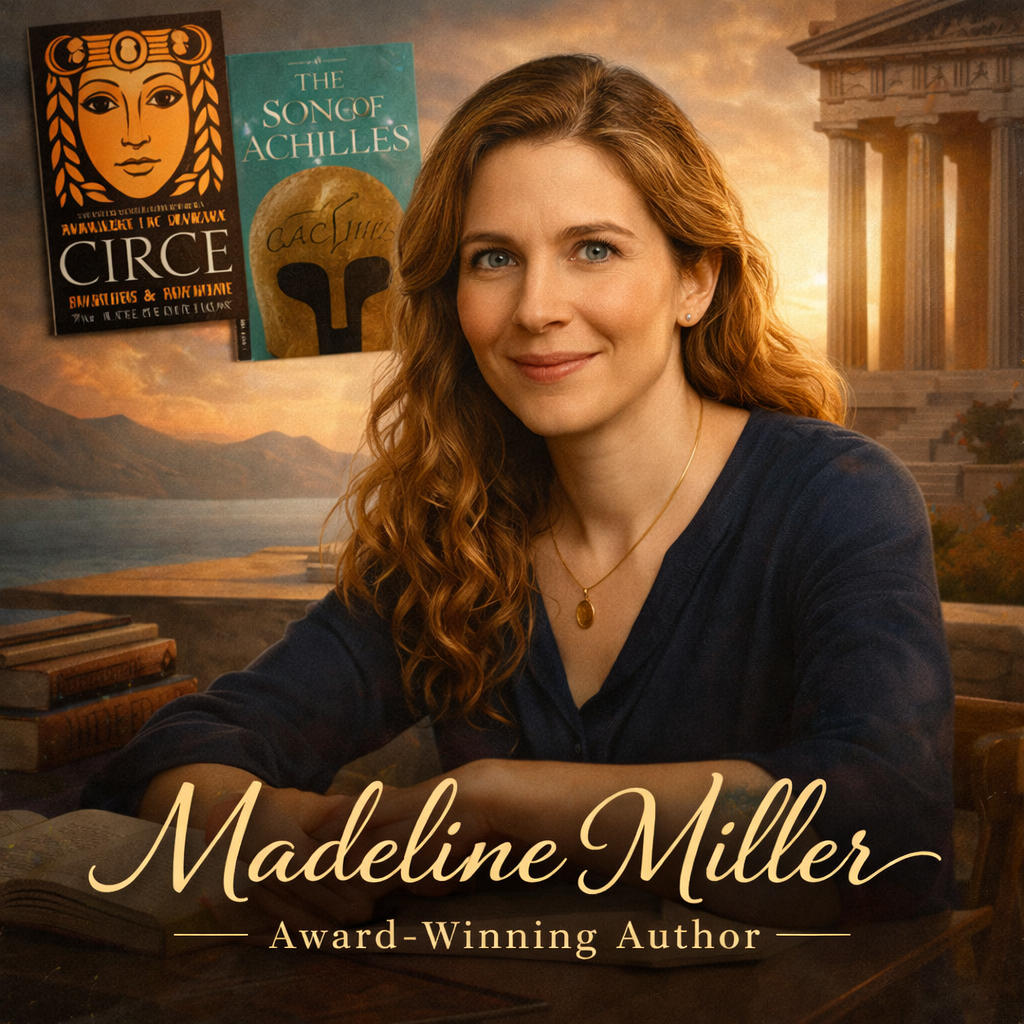
Madeline Miller is an American author known for Circe and The Song of Achilles, reimagining Greek myths with emotion and depth.