Looking for other ways to say in the end? You have come to the right place. While in the end is a common and useful phrase, using it too often can make your writing sound repetitive and less engaging.
Whether you are writing an essay, blog post, story, email, academic paper, or professional document, choosing the right alternative can improve clarity, strengthen your message, and make your writing more enjoyable to read.
In this guide, you will discover the best alternatives to in the end, including formal, professional, academic, creative, and everyday expressions. These powerful substitutes will help you expand your vocabulary, improve your writing style, and communicate your ideas with confidence.
If you want your content to sound polished, natural, and reader-friendly, these alternatives will help you achieve exactly that. 🚀
🎯 Simple Everyday Alternatives
- finally
- at last
- in the end result
- all done
- at the finish
- when it ends
- after it all
- by the finish
- at closing time
- when all ends
- last step
- end point
- final step
- last part
- at wrap up
- end stage
- finish point
- last moment
- final part
- closing part
👉 Example:
We worked hard. Finally, we reached our goal.
🧠 Formal and Academic Options
- to conclude
- in summary
- in closing
- overall view
- final result
- end outcome
- in brief
- main result
- final thought
- summary point
- last finding
- closing idea
- end statement
- final note
- result shows
- main outcome
- final view
- end analysis
- key result
- closing line
👉 Example:
In summary, the study shows clear results.
✍️ Story Writing Endings
- and it ended
- the story closed
- peace came
- all was calm
- the end came
- they found peace
- the journey closed
- all was done
- the last scene came
- calm returned
- the tale ended
- all was clear
- the end arrived
- the last moment came
- the story finished
- all was solved
- balance came
- the end was near
- all was settled
- the story wrapped
👉 Example:
The storm stopped. Peace came.
💬 Casual and Friendly Phrases
- so that is it
- and we are done
- that is all
- all done
- done now
- that wraps it
- we finish here
- that is the end
- that is everything
- all set
- that is it
- we are done now
- done and done
- that is the last
- all finished
- that is final
- we end here
- that is full
- that is complete
- done here
👉 Example:
So that is it. We are done. 😊
📊 Essay and Conclusion Words
- to sum up
- in brief
- overall
- final thought
- key point
- last idea
- main idea
- closing idea
- end point
- final line
- last note
- summary line
- key result
- final result
- main result
- end idea
- last view
- closing note
- final word
- summary idea
👉 Example:
To sum up, hard work leads to success.
Other ways to say at the end of the day 📚 Smart Alternatives
🧩 Transition Phrases
- finally
- lastly
- at last
- in the last step
- at the end point
- near the finish
- at closing
- at the last stage
- final step
- last move
- end step
- last turn
- closing step
- near the end
- last phase
- final stage
- at finish
- last part
- closing moment
- end phase
👉 Example:
Finally, we complete the task.
💼 Professional Writing Choices
- final result
- closing summary
- end report
- key outcome
- final outcome
- summary result
- closing statement
- end statement
- final note
- main outcome
- closing result
- final point
- end summary
- key result
- final idea
- closing idea
- last report
- final review
- end review
- summary point
👉 Example:
The final result shows strong growth.
🎨 Creative Expressions
- when calm came
- as light faded
- when all went quiet
- at the last glow
- when the day closed
- as the end came

- when all was still
- at the final beat
- when silence came
- as the last light fell
- when time slowed
- at the last breath
- when all was soft
- as calm returned
- when all felt right
- at the last spark
- when all was done
- as the end stood
- when all aligned
- at the last shine
👉 Example:
As the sun set, calm came. 🌇
⚡ Short and Powerful Endings
- done
- end
- finish
- closed
- final
- last
- stop
- wrap
- complete
- settled
- clear
- result
- sum
- brief
- full
- end now
- done now
- stop here
- finish now
- end here
👉 Example:
Task complete. Done. ✔️
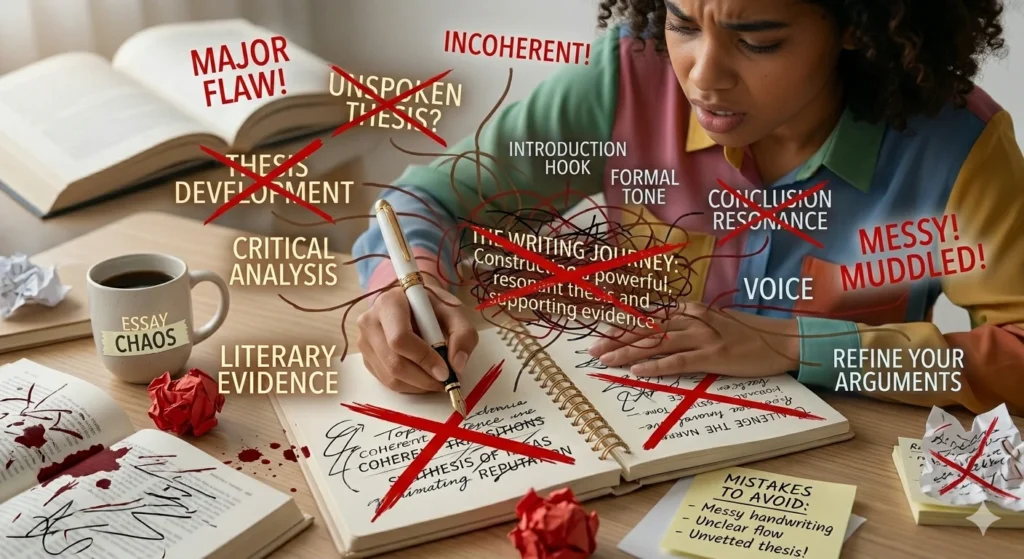
❌ Common Mistakes to Avoid
👉 Repeating same word
Use new words each time. It keeps writing fresh
👉 Long ending
Keep your ending short and clear
👉 Adding new idea
Do not add new points at the end
👉 Confusing words
Use simple and easy words
👉 Weak ending
End with strong and clear line
👉 No summary
Always give a short recap
👉 Too much detail
Keep it short and focused
👉 No flow
Make sure ending connects well
👉 Wrong tone
Match tone with full content
👉 No impact
End in a way that stays in mind
🔥 Power Words for Strong Endings
- clearly
- truly
- strongly
- simply
- surely
- without doubt
- for sure
- in truth
- as seen
- it is clear
- no doubt
- as shown
- it proves
- this shows
- it means
- in fact
- for this reason
- that is why
- this leads to
- this explains
👉 Example:
This shows that hard work wins.
🧲 Emotional Ending Phrases
- it feels right
- it brings peace
- it gives hope
- it feels complete
- it makes sense
- it brings joy
- it feels calm
- it gives relief
- it feels strong
- it brings light
- it feels good
- it gives power
- it feels true
- it brings change
- it feels real
- it gives strength
- it feels clear
- it brings growth
- it feels better
- it gives meaning
👉 Example:
In the end, it gives hope. 💛
🧠 Smart Alternatives for Smart Writing
- main takeaway
- key lesson
- big idea
- final insight
- core point
- main result
- key message
- final meaning
- deep insight
- main truth
- strong point
- clear result
- final lesson
- key idea
- main thought
- true result
- deep meaning
- final point
- core message
- strong idea
👉 Example:
The key lesson is simple. Stay patient.
❓ FAQ Section
What is a simple word for in the end
You can use finally, last, or at last
What is formal alternative
Use in summary or to conclude
Can I use finally in essay
Yes, but do not overuse it
Why avoid repeating same phrase
It makes writing boring and weak
Conclusion 🌈
Good writing is clear and simple. Small word changes can make a big difference. When you stop using the same phrase again and again, your writing feels fresh and strong. These simple alternatives help you sound better in essays, stories, and daily writing. You do not need hard words. Just use the right words at the right time. Practice a little every day. Try new phrases in your sentences. Soon, your writing will feel natural and smooth. A strong ending always leaves a strong impact. Keep learning, keep improving, and enjoy your writing journey. You can do it ✨

Thomas Hardy (1840–1928) was an English novelist and poet, famous for realistic rural stories, tragic themes, and novels like Tess of the d’Urbervilles.